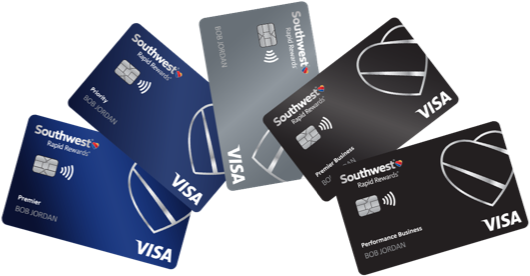
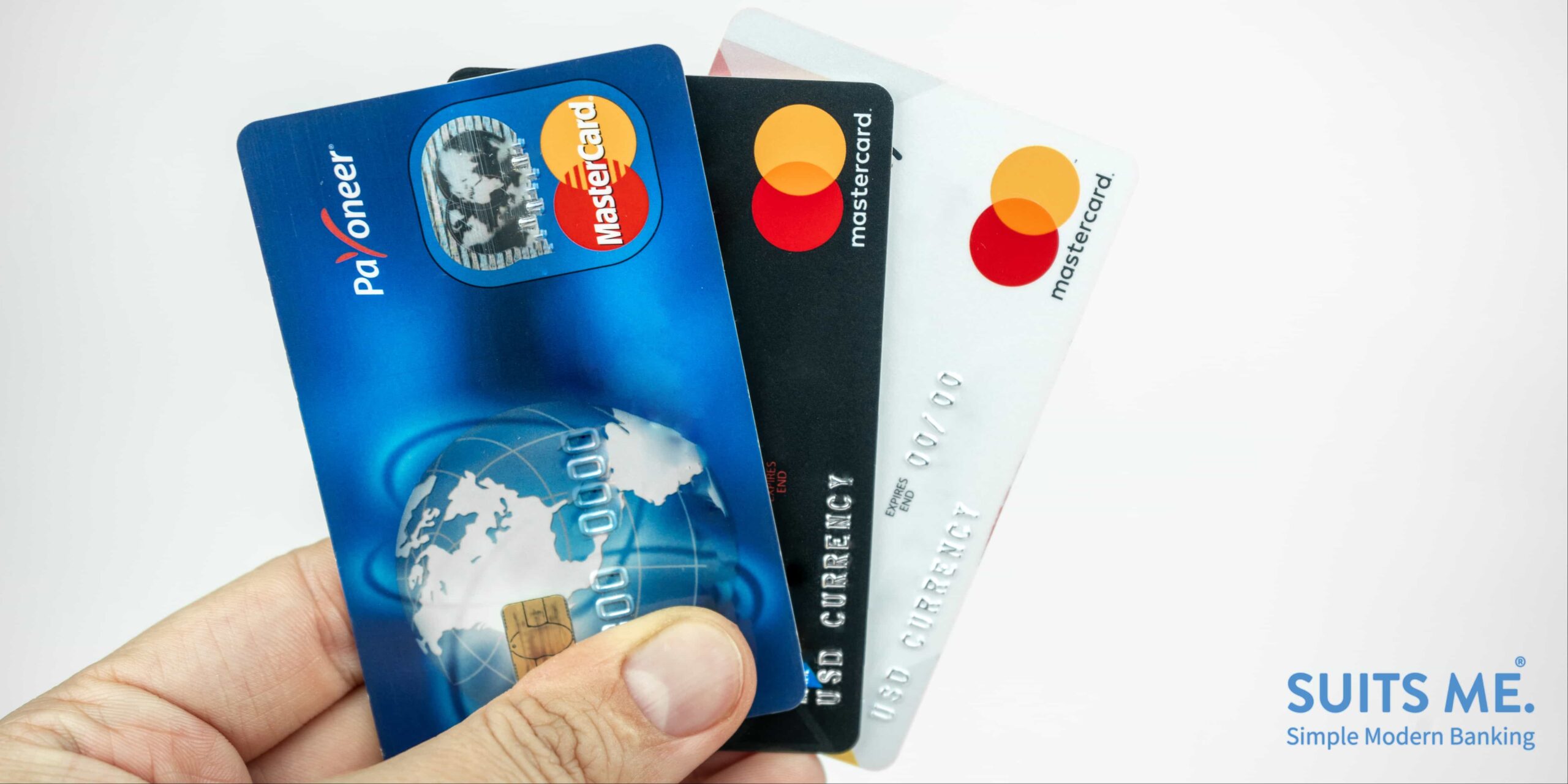
A prepaid card is a payment card you load with money in advance. You can then spend up to the amount available on the card online, in shops, and often at cash machines without borrowing credit. It’s similar to a debit card, but prepaid cards aren’t typically linked to a traditional bank current account.
Prepaid cards are popular for budgeting, travel, and everyday spending especially for people who want a simple way to pay without using credit. In this guide, we’ll explain how prepaid cards work, the different types available, and what to check before choosing one.
How Do Prepaid Cards Work?
Prepaid cards work in three simple steps:
- Load money onto the card
You add funds before you spend. Depending on the provider, you may be able to load money by bank transfer, in app top up, or at certain retail locations. - Spend online, in-store, or withdraw cash
You can usually pay wherever the card network (e.g., Mastercard or Visa) is accepted, and many cards allow ATM withdrawals. - You can’t spend more than your balance
Because there’s no overdraft facility, you generally can’t go beyond the money available helpful for budgeting and day to day control.
Pros and Cons of Prepaid Cards
Benefits
- Budget control: You’re limited to what you’ve loaded, which can help manage spending.
- No borrowing: No overdraft facility, so you’re not taking on credit debt by spending.
- Useful alternative: Can help if you don’t want (or can’t access) a traditional bank account.
- Often works online and abroad: Many prepaid cards work online and internationally (acceptance can vary).
Things to watch
- Fees: Some cards charge for loading, ATM withdrawals, foreign usage, or monthly maintenance always check the fee information.
- Not accepted everywhere: Some merchants and situations (like security deposits / pre authorisations) may not accept prepaid cards.
- Doesn’t build credit history: Prepaid card spending typically isn’t reported to credit reference agencies.
Prepaid vs Debit vs Credit Cards: What’s the Difference?
Prepaid card: You spend money you load in advance.
Debit card: Linked to a bank account and spends available funds from that account.
Credit card: Lets you borrow up to a limit and pay it back later; eligibility checks usually apply.
If your goal is simple spending control and budgeting, prepaid can be a practical option. If you want credit-building features and extra protections that come with credit products, you’d look elsewhere.
How to Compare Prepaid Cards
When comparing prepaid cards, focus on what matters most for your situation:
- Fees: Monthly fees, top-up fees, ATM fees, foreign usage fees
- Top up methods: Bank transfer, app top up, retail top ups
- Network acceptance: Mastercard/Visa acceptance and any merchant restrictions
- Security features: App controls, PIN security, freezing/unfreezing card
- Limits: Daily spend and withdrawal limits
- Support: In app help, phone support, multilingual options
Money Helper recommends checking charges and whether the card will work for your typical spending needs (including cases where prepaid may not be accepted).
6 Different Types of Prepaid Cards
1) General purpose reloadable prepaid cards
These are designed for everyday spending and can often be reloaded multiple times. Many use major card networks so they can be used widely in stores and online (where accepted).
2) Prepaid gift cards
Gift cards are normally loaded with a fixed amount and often can’t be reloaded once spent. Many are “closed loop,” meaning they’re only usable at certain retailers.
3) Retail prepaid cards
Retailer linked prepaid cards can offer rewards or discounts for spending with a specific brand or network of partner stores.
4) Prepaid travel cards
Travel prepaid cards can be useful for managing holiday spending. Some let you hold multiple currencies or lock in an exchange rate but it’s important to compare fees and rates because providers can differ.
5) Prepaid cashback cards
Some prepaid cards offer cashback or rewards at selected retailers. Always check the terms, eligible retailers, and any exclusions.
6) Payroll cards
Payroll cards are issued through employers as an alternative way to pay wages. They can be useful for workers who don’t have a traditional bank account.
How Is Your Money Protected on Prepaid Cards in the UK?
This is important: some prepaid style accounts are provided by payment or e-money firms, which must follow rules to safeguard customer funds. Safeguarding is designed to help ensure customer money is kept separate and can be returned if a firm fails, but it is not the same as FSCS protection.
If you’re using any prepaid card or e-money account, it’s worth understanding:
- how funds are safeguarded,
- what protections apply,
- and what the provider’s terms say.
Getting a Prepaid Card with Suits Me
At Suits Me, we offer an account that provides day-to-day spending features alongside a prepaid-style debit card experience designed for people who want a practical alternative to high street banking.
Everyday payment tools
If you’re paying bills or rent, these features matter:
And if you prefer managing money on your phone, you can use Suits Me Mobile Banking App.
Who Might Use a Prepaid Card?
Prepaid cards can be useful for:
- Budgeting and controlled spending
- People new to the UK or setting up finances
- Those who prefer not to use credit
- Travel spending planning (with careful fee comparisons)
Publisher: Source link