
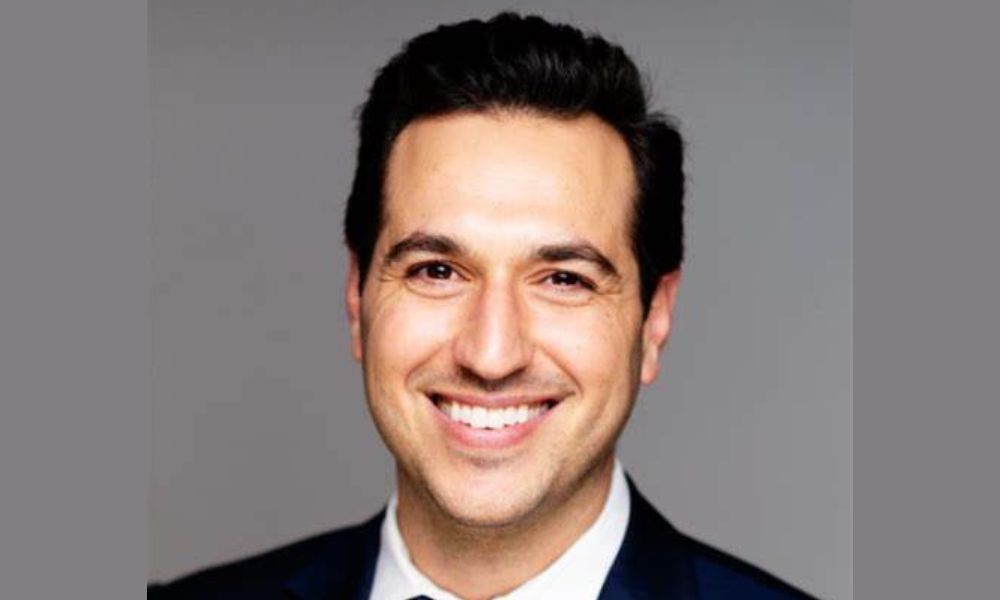
“We feel like the Fed is probably going to move off of targeting Fed funds as its primary policy rate,” he said. “Going forward, it could convert to SOFR being the policy rate, which we think would be positive for the market. Generally, there’s just a lot of liquidity behind this. There is a lot more transparency, and it’s an easier rate for the Fed to target.”
As the Fed prepares its last rate decision of 2025, expectations point to another modest cut while scrutiny on policy intensifies. Long term bond markets remain the key driver for mortgage rates. More developments to come.https://t.co/fNbMuprI8f
— Mortgage Professional America Magazine (@MPAMagazineUS) December 10, 2025
Hagen said that, in many ways, it would be much easier for the Fed to control the SOFR rate than the Fed funds rate and that it would provide more transparency to the process overall.
“The Fed funds rate is technically an unsecured lending rate,” Hagen said. “It’s the rate that banks lend to each other on an overnight unsecured basis, and so that in itself creates a lack of transparency. You don’t know which banks are trading. You just don’t see it. And since SOFR has become more of a focus of short-term money market rates, the volume for trading in Fed funds has dried up.
“The Fed has the tools to directly control SOFR. They can go into the market and effectively set the rate, and they use the Repo backstop at the Fed to inject liquidity and withdraw liquidity. The Fed is totally focused on transparency and taking a lot of volatility out of the market. They see the noise in the Repo market at the end of the quarter and at the end of the year and think, ‘Is this avoidable?’ And it should largely be avoidable if they switch to SOFR.”
Stay updated with the freshest mortgage news. Get exclusive interviews, breaking news, and industry events in your inbox, and always be the first to know by subscribing to our FREE daily newsletter.
Publisher: Source link