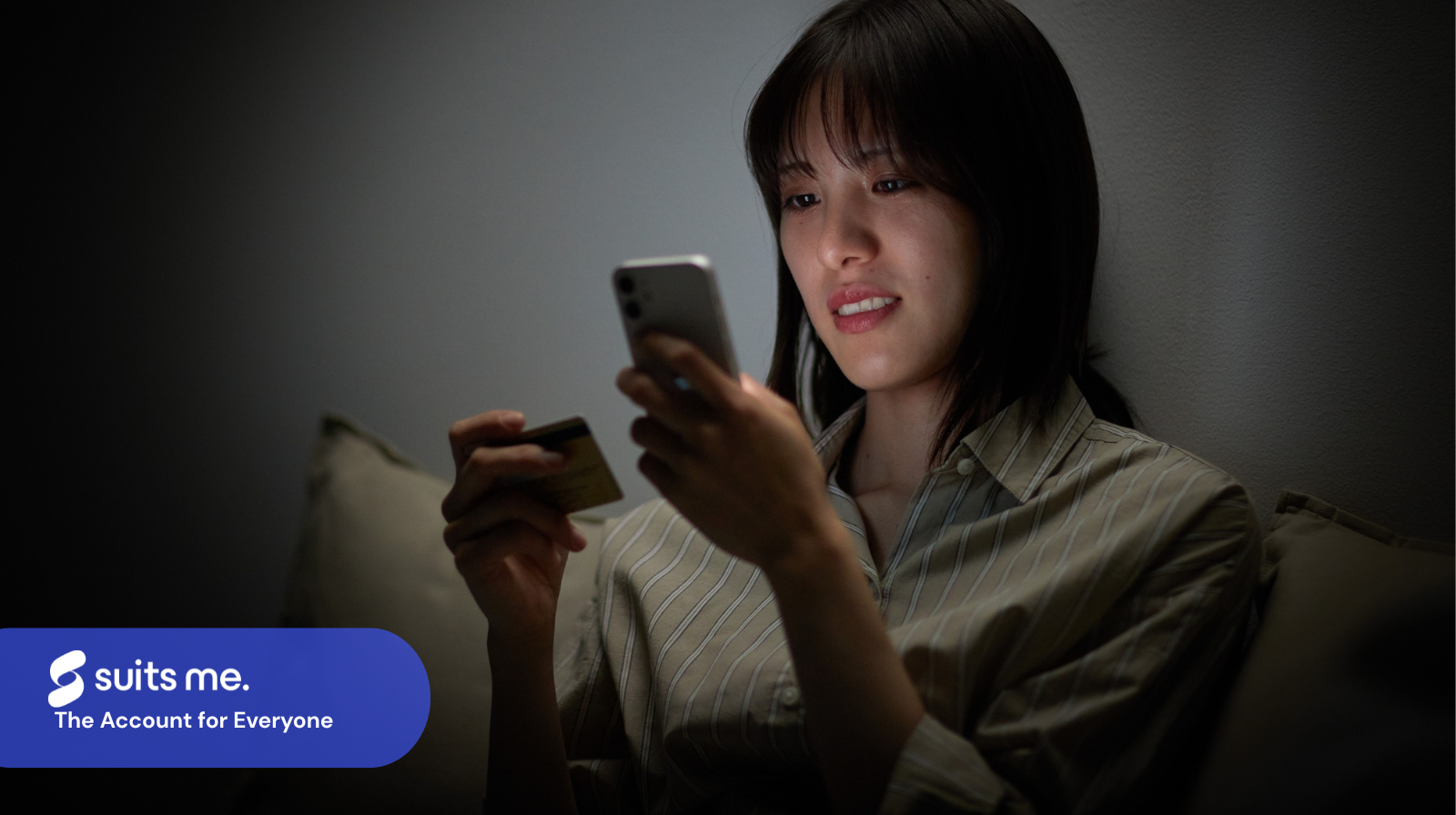
Online shopping scams trick people into paying for goods that never arrive, or into handing over their card details on fake websites. You may think they’d be easy to spot- but they’re becoming increasingly sophisticated as scammers replicate logos, branding and customer review. But there are warning signs you can keep an eye out for, and a few simple habits to keep you protected online.
Table of Contents:
An online shopping scam is when a scammer sets up a fake shop- either a website or a social media page- to collect your money or card details without ever delivering what you paid for.
Some scams are obvious. Others are frighteningly convincing, with professional-looking websites, real brand logos, and even fake customer reviews. The goal is always the same: get your money or your details before you realise something is wrong.
How to Tell If a Website is Fake
At first glance, you might not be able to tell the difference between a real and fake website. By using real logos and branding, scammers can easily replicate big brands. But there are a few clues you can look out for.
Fake websites might:
- Offer unbelievably low prices on popular brands.
- Claim to have “limited stock” or flash sales to pressure quick purchases.
- Use slightly misspelled web addresses (e.g. amaz0n.com instead of amazon.co.uk).
- Ask for payment via bank transfer or crypto, not through secure card payments.
- Have poor grammar, generic product photos, or no contact information.
If the deal looks too good to be true – it usually is.
Before you buy:
- Check the URL: It should start with https:// and display a small padlock symbol.
- Look for reviews: Search the business name with words like “scam” or “reviews.” It’s important to look at reviews outside of the website, as these may be completely made up by the scammer.
- Check contact details: Genuine sites list a real address, phone number, and customer service email.
- Be cautious of social media ads: Scammers use sponsored posts to lure shoppers to fake websites.
- Avoid sites that only accept bank transfers or crypto: these are almost impossible to trace or refund.
How to Stay Safe Online
How you pay matters just as much as where you buy. To keep your money safe:
- Pay by card, not cash or bank transfer: card payments have consumer protections meaning if something goes wrong, you have a much better chance of getting your money back.
- Don’t save card details on unfamiliar websites: only store payment info on websites you use regularly and fully trust.
- Never share your important details online: this includes your card number, PIN, or security code (CVV).
- Shop through official apps where possible rather than browsers: they are typically harder for scammers to replicate.
Fake Delivery Texts and Order Confirmation Emails: What to Look Out For
The scam doesn’t always stop when you’ve placed an order. After you shop online, scammers sometimes follow up with convincing fake messages.
You might receive an “order confirmation” or “delivery problem” email that looks like it came from Amazon, Royal Mail, or another well-known company. These often include links designed to steal your card details or login credentials.
If you receive one of these messages:
- Don’t click any links – go to the retailer’s official website or app instead.
- Check your bank account to confirm if a payment was actually made.
- Delete suspicious messages right away.
I’ve Been Scammed Online – What Do I Do Now?
Don’t panic, simply follow these steps:
- Freeze your card immediately. If you’re a Suits Me customer, you can do this in seconds in the app. This stops any further payments from going out. Contact Suits Me. Call us on 03330 151 858 or email [email protected] so our team can support you.
- Change your passwords. Update your email password and any accounts where you used the same login.
- Keep any emails, screenshots, or receipts as evidence – they’ll help investigators track the scam.
- Report the site to Action Fraud (UK) via actionfraud.police.uk.
A Word From our Financial Crime Team Leader
“Anyone can fall victim to a scam. There is no reason to be embarrassed if this happens to you. What is important is that you educate yourself to avoid scams in the future. Staying up to date with the latest tricks that scammers and fraudsters use will give you the best defence to protect yourself. Prevention is always the most effective method when it comes to online scams.“
-Harry Gilfoyle
Has a Scam Left You Struggling to Access Banking?
Being a victim of online shopping fraud can sometimes have consequences beyond the immediate financial loss. In some cases, fraudulent activity involving your details- even where you were the victim – can result in a CIFAS marker being placed on your file, which can lead to mainstream banks automatically declining your application for an account.
Suits Me has helped many people in exactly this situation. Because we do not conduct credit checks, a marker on your file won’t prevent you from being able to manage your money. If you’ve found yourself affected, our guide on banking with a CIFAS marker explains what a marker means, how it can affect you, and what your options are.
FAQs
Can I get my money back if I paid on a fake website?
It depends on how you paid. Card payments offer the strongest protection, and you may be able to raise a chargeback with your card provider. Bank transfers are much harder to recover. Act quickly and report it to your bank and Action Fraud as soon as possible.
Is it safe to shop on social media?
It can be but be careful. Anyone can run a paid ad on Instagram or Facebook, so a professional-looking post doesn’t mean the seller is legitimate. Always verify the website independently before entering your payment details.
How do I know if a delivery text is real?
Don’t click the link. Go directly to the delivery company’s official website and enter your tracking number there. Royal Mail, DPD, and other couriers will never ask you to pay a fee via a link in a text message.
What should I do if I gave my card details to a fake website?
Contact your bank or card provider immediately and let them know what happened. Ask them to cancel your card and issue a new one to prevent any further unauthorised payments. Check your recent transactions carefully for anything suspicious and report the fake website to Action Fraud. The sooner you act, the better your chances of limiting the damage.
Are second-hand selling platforms like Facebook Marketplace and Vinted safe to use?
They can be, but they carry their own risks. Scammers use these platforms to sell items that don’t exist, send fakes, or pressure buyers into paying outside of the platform’s official payment system. Always pay through the platform’s protected payment method, never via bank transfer, and be wary of sellers who want to move the conversation to WhatsApp or email before completing the sale.
Can scammers steal my details even if I don’t complete a purchase?
Yes. Simply entering your card details on a fake website can be enough for scammers to capture your information. If you’ve typed your details into a site, you’re now unsure about, treat it as a potential breach and contact your bank straight away.
How can I tell if an online review is fake?
Look for reviews that are vague, overly enthusiastic, or all posted within a short time period these are common signs they’ve been fabricated. Always check reviews on independent platforms like Trustpilot rather than relying solely on testimonials displayed on the website itself. If a site has no reviews anywhere outside of its own pages, treat that as a red flag.
Publisher: Source link