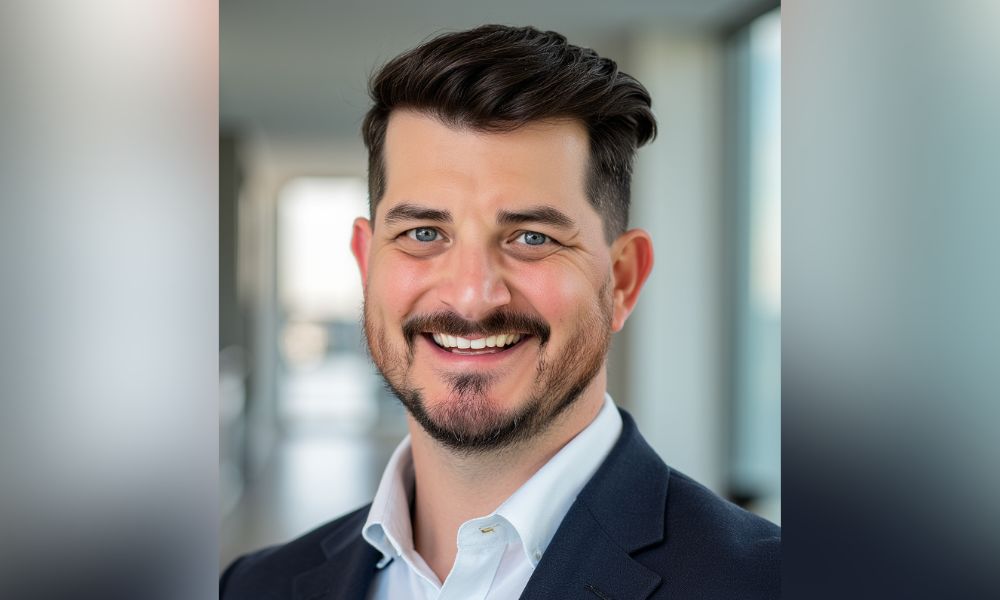
“I don’t think you really hear about it a lot in the publications,” Robertson told Mortgage Professional America. “It’s something they should really keep a finger on. I didn’t really hear about it until I started hearing from my clients. We offer a non-QM calculation, and one of the first questions is, ‘Are you capturing buy now, pay later loans?’
“I didn’t even think about that stuff. I’ve been getting it presented to me on my phone. Every time we pop into our banking app, it’s like, ‘Hey, you can pay this later.’ I really have not thought about the implications to the overall mortgage structure, because there’s just so much of that going on.”
More debt for the holidays
The use of BNPL loans is expected to increase during the holiday shopping season. PayPal estimates that 50% of consumers expect to use it as a flexible payment option for holiday shopping. In addition, 52% of shoppers said they’d be more likely to purchase something where BNPL is an option.
This presents a problem for brokers and lenders evaluating credit reports. Only one BNPL company reports data to the credit industry, and it reports to only two of the three credit bureaus.
States are starting to take notice of the growing trend of shadow debt. On Friday, North Carolina attorney general Jeff Jackson sent a letter to the six largest BNPL firms: Affirm, Afterpay, Klarna, PayPal, Sezzle, and Zip. He wants to know if they’re “placing North Carolinians at financial risk or violating consumer protection laws.”
Publisher: Source link